Pictures start with a decision to look closely
linabue is an online platform for digital illustration - structured courses, interactive quizzes, and practical assignments that fit around your schedule, wherever you are in Kraków or beyond.
linabue is an online platform for digital illustration - structured courses, interactive quizzes, and practical assignments that fit around your schedule, wherever you are in Kraków or beyond.
Skills that hold up when the course window is closed - and when the next project arrives.
You leave with a reliable set of decisions - how to read light, how to structure a composition, when to simplify. These aren't rules to memorise; they become instincts through repeated, deliberate practice across every module.
Every assignment returns specific, written critique tied to what you submitted. Over time, you start anticipating those notes before they arrive - which is the point. Self-correction is the skill underneath the skill.
The work you produce isn't filler. Each project is designed to show a distinct capability - character line work, environmental colour, texture studies - so the portfolio reads as evidence, not decoration.
Procreate and Illustrator are covered beyond the basics. By the final module, students are using layer logic, custom brush settings, and export workflows without pausing to search tutorials mid-project.
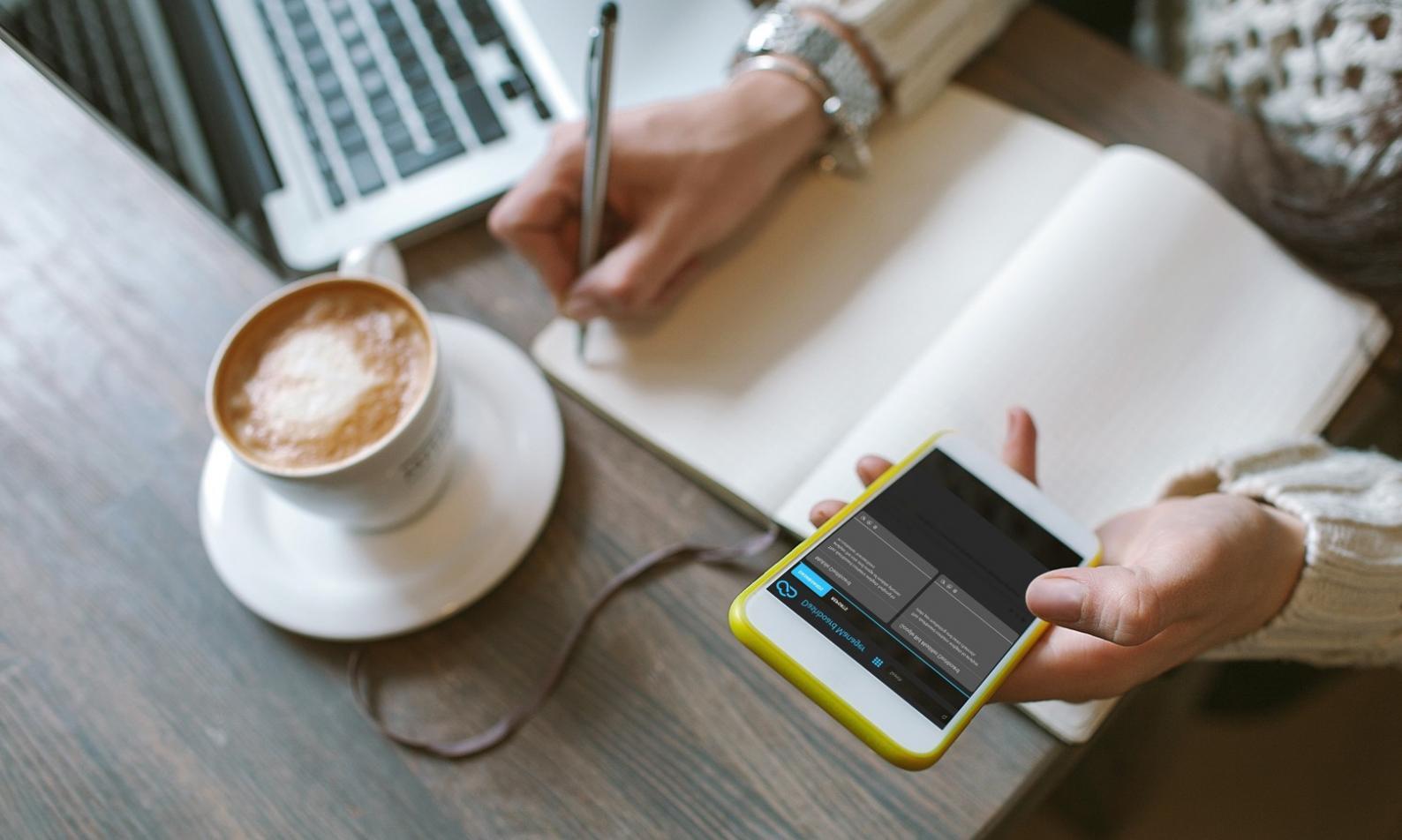
Most participants spend 4 to 6 hours per week - split between watching recorded lessons, working through assignments, and reviewing feedback. There are no live sessions to schedule around.
The curriculum runs across 10 modules. You can move faster through areas where you already have some footing, and spend more time where you don't. Progress is yours to pace.
Modules in the full curriculum
Verified student reviews
Weekly time commitment
Average course rating out of 5
Finishing the curriculum doesn't hand you a career. What it does is remove the most common friction points - the uncertainty about where to start a piece, the hesitation around colour, the feeling that the software is working against you.
Graduates from linabue have gone on to take on freelance commissions, contribute to small game projects, and submit work to open calls. None of that is guaranteed, but having a coherent portfolio and a repeatable process makes it considerably more realistic.


Not a criticism of other platforms - just a description of what linabue actually does and why those choices were made.
Quizzes and instant feedback handle knowledge checks. But for illustration work, a rubric score tells you almost nothing. Written critique on your actual submission is how improvement happens - and that's what you get here.
All lessons are recorded and accessible without a fixed timetable. Students in Kraków and surrounding areas often cite this as the deciding factor - no commute, no fixed session times, no missed content if life intervenes.
Many courses front-load their best content and thin out toward the end. The linabue curriculum was built in reverse - the later modules are where the more demanding and rewarding material sits. The sub-topics below reflect how the curriculum is structured across its three phases.
Line quality, basic shapes, digital canvas setup, and understanding layer logic before building anything complex on top of it.
Colour theory applied to real illustration problems, light source consistency, and compositional decisions that hold across different subject matter.
Full illustration projects with brief-style constraints - working to a defined mood, palette, or format, similar to what freelance or studio work actually requires.
The quizzes embedded throughout each module aren't optional extras. They surface gaps before they compound - catching a misread of colour temperature in module 3 is far easier than untangling it in module 8.